HENGYI Culture · HENGYI
Paper Is Getting Pricier, the Merch Market Is Shifting
Why Is Merch Now All About “Texture”?
When Paper Costs Rise, Merch Grows Up
November 10, 2026 · Tuesday · Anime Merchandise Insights Column
Two things have converged this week: base paper prices have entered another upward cycle, while the merch industry is going through a shakeout. One is about cost, the other about demand. Both ultimately point to the same question——now that “good enough” is no longer a valid excuse, how should we approach the quality of merchandise?
I
Two Signals Converge
Two Signals, One Direction
Let’s start with costs. In late October, Nine Dragons Paper issued November price increase notices across six major bases—Tianjin, Hebei, Taicang, Dongguan, Chongqing, and Quanzhou—raising corrugated paper and recycled kraft linerboard by RMB 30–50 per tonne in a single adjustment, rolled out in phases from November 3. This followed a RMB 200 per tonne increase for white card paper back in October. For packaging plants, these are real cost changes.
Now demand. On November 10, “the merch economy that has been booming for three years faces a shakeout” became a hot topic: stores are contracting, inventory and depreciation risks remain at the front end, and resources are accelerating toward the top players. The buzz hasn’t disappeared, but the era of “stock it and it sells” is ending—fans are now paying for things “worth keeping.”
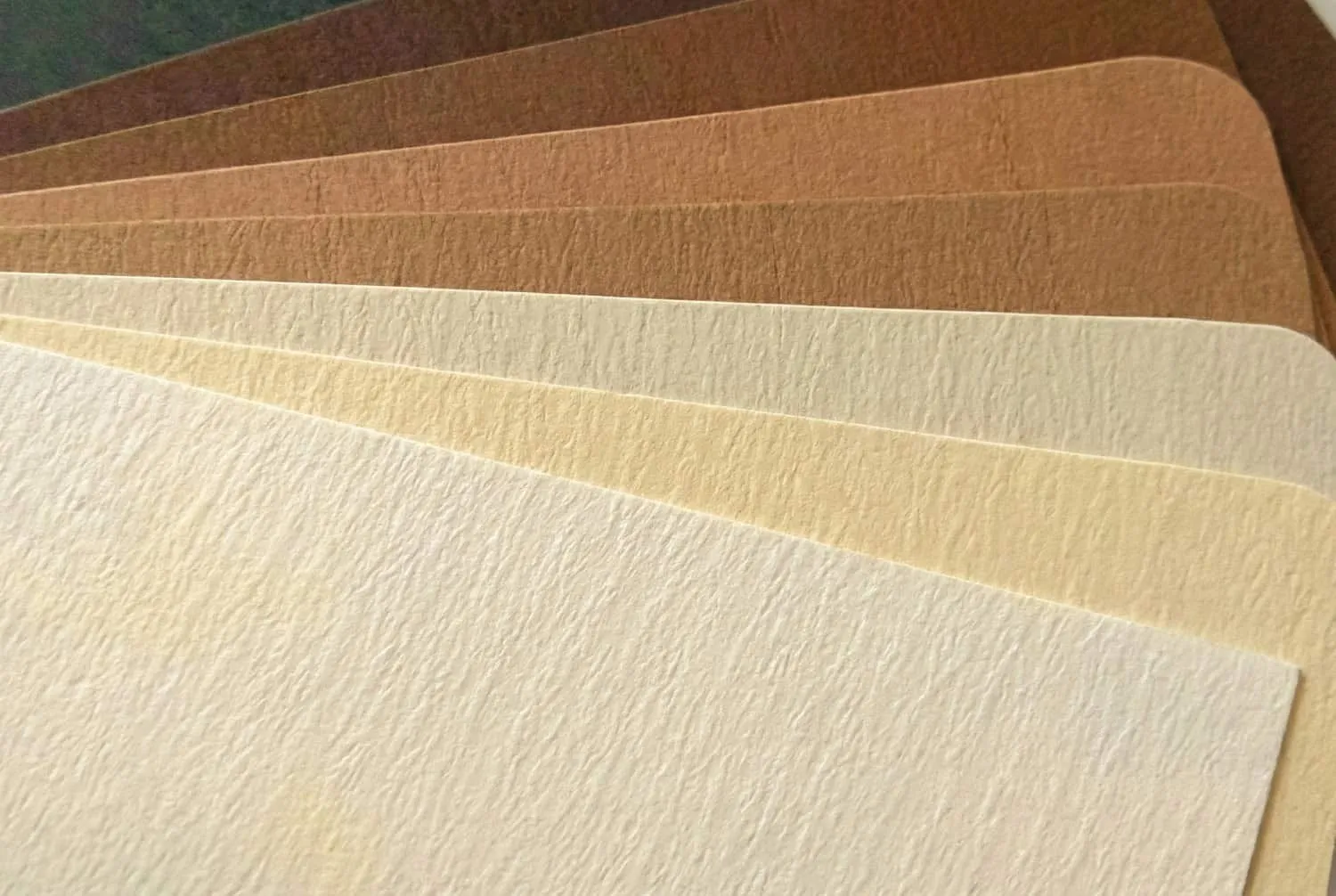
They’re all called “paper,” but different colors, textures, and weights mean different feels and different costs
II
Five Types of Merch, Five Kinds of “Feel”
A Texture Map of Merch
There are many categories of anime merchandise, but whether a piece truly feels substantial in hand often comes down to a few very specific specifications.
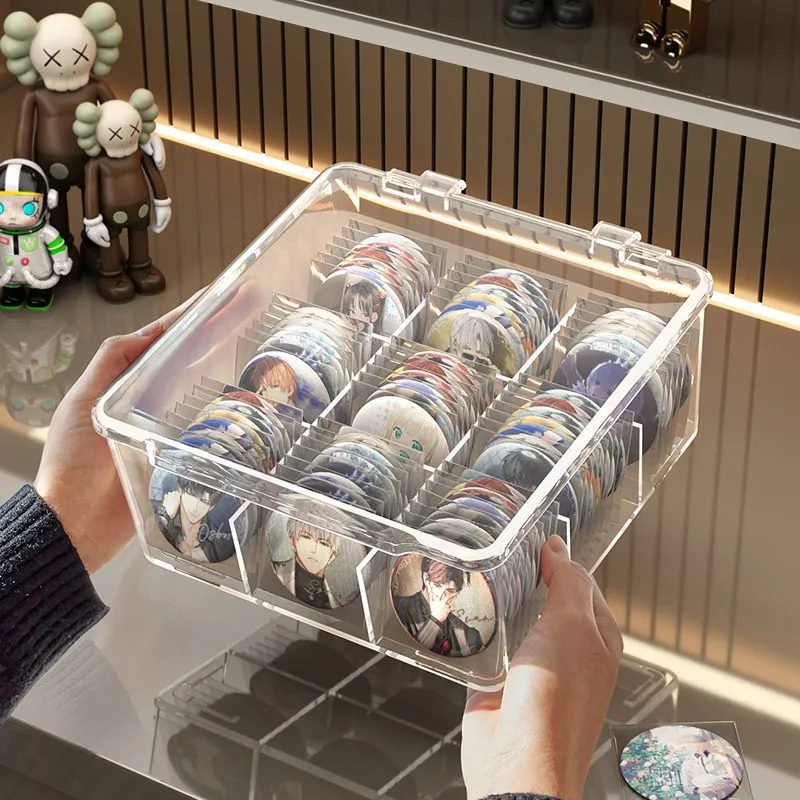
BadgesTinplate base + surface film (gloss / holographic / double-flash), commonly 58mm. How well the edge is wrapped directly determines whether it feels sharp in the hand.
Art cardsUsually 350–400gsm card stock, with wrapped or foil-stamped edges. The real concern is curling—if the paper lacks stiffness, it will warp over time.
Polaroid cardsTypically around 54×86mm, with the white border as their signature. Spot UV, foil stamping, and holographic finishes are all ways to give this small card extra highlight.
Acrylic2–3mm sheet, UV printing + laser cutting. Applying a protective film at the factory and packing each piece in an OPP bag are standard steps to reduce scratches.
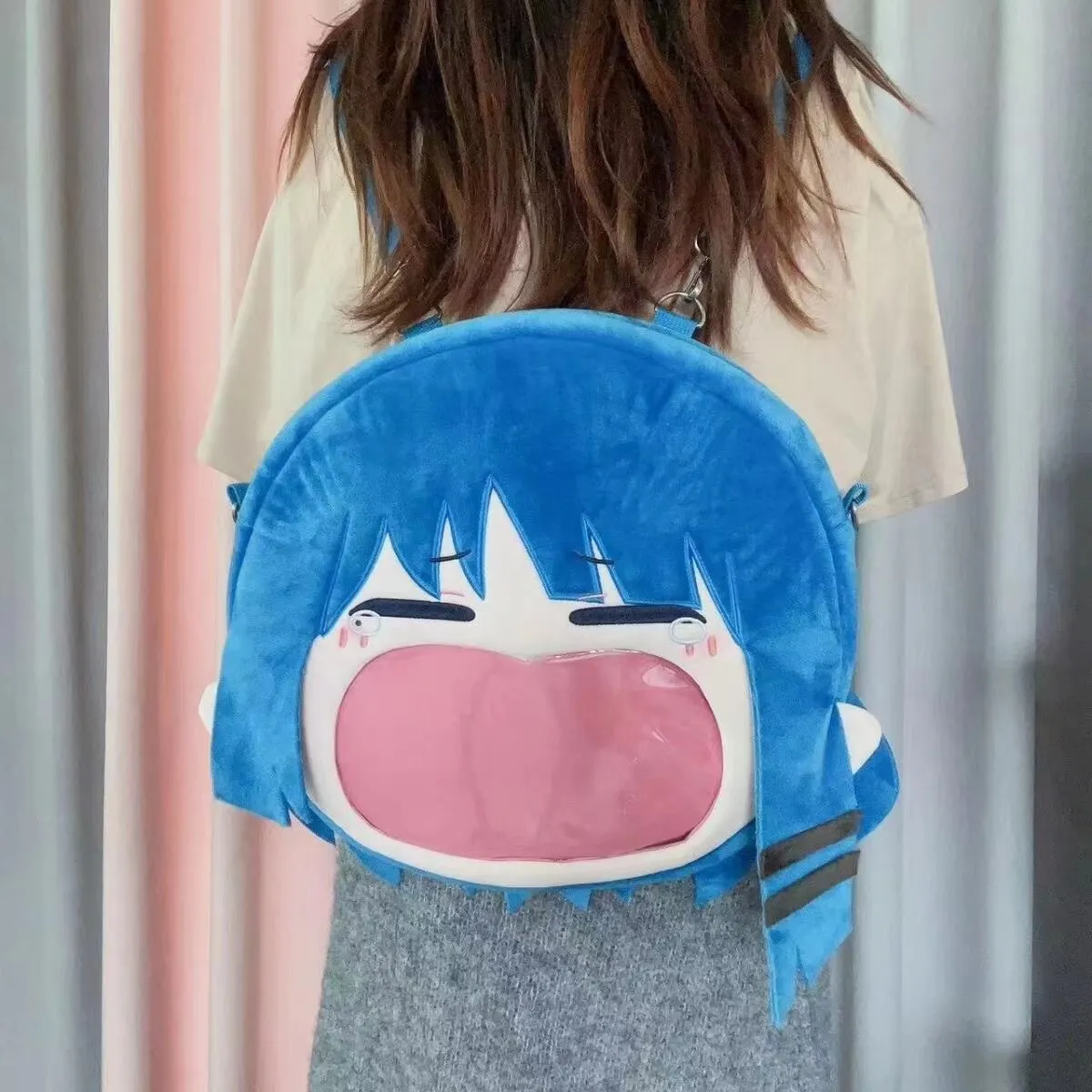
PlushFabric weight and fill quantity determine how it feels when squeezed. Window display tags let that tactile quality show, and make the charm look more “alive” on the shelf.
Three
Paper Talk: It's All White — So What's the Difference?
A Short Lesson in Paper
When it comes to packaging paper, whiter isn't better. The texture, weight, and coating of the paper are what determine how it feels in your hands.
White CardstockSmooth surface, high stiffness, and consistent color reproduction — the cost-effective choice for FMCG and standard printed packaging boxes.
Fine Art PaperOften contains cotton or linen pulp, 200–400gsm, with a pronounced natural texture — ideal for cultural creative merchandise that emphasizes a handmade feel.
Touch Paper230–350gsm, with a skin-like, suede, or silk-like damped feel and low reflectivity — suited to collector-grade gift boxes.
Pearl Paper250–350gsm, smooth with a fine grain that shimmers subtly as it turns — a common choice for holiday limited editions.
One more parameter that's easy to overlook: embossing depth. Standard embossing ranges from 0.3–1.2mm. The deeper the pattern, the stronger the three-dimensional effect — but the paper's fold endurance drops. That's why deep embossing needs a long-fiber substrate; otherwise the folded edges of gift boxes are prone to cracking.
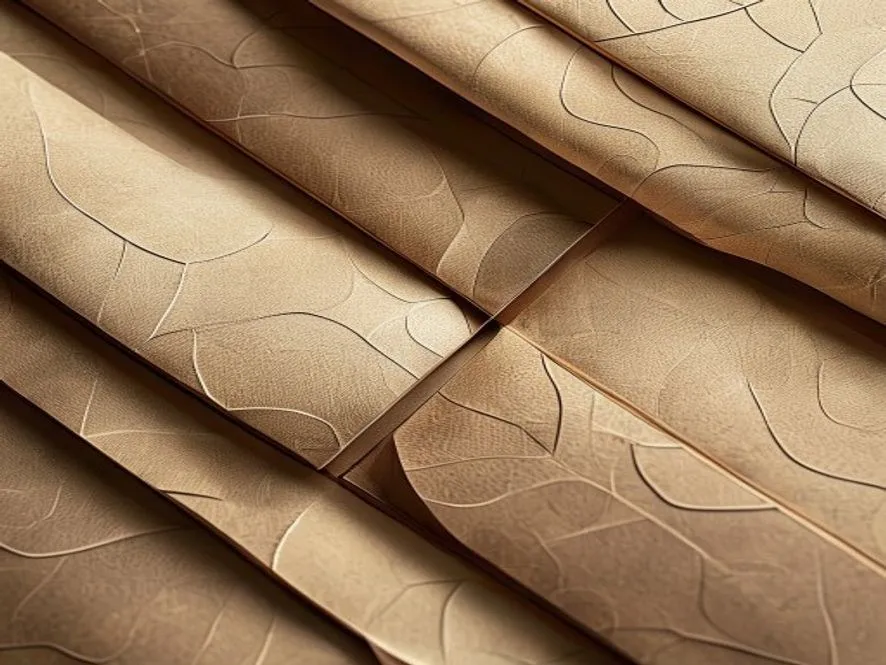
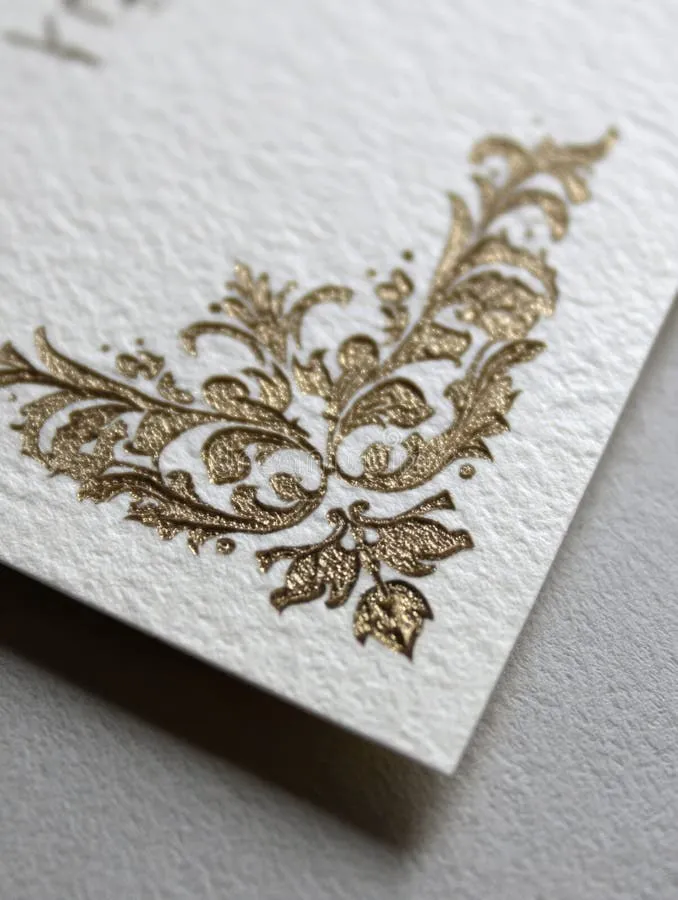
Texture layered with metallic sheen — a classic combination for a premium look
IV
Finishing School: Four Ways to Make Merchandise Shine
Four Finishing Moves
The same paper can feel a world apart depending on whether surface finishes are applied. But more finishes isn't better, and the order matters.
Foil StampingSmall logos come out clean and refined; full-sheet foiling tends to bubble and fray at the edges. For fine lines, keep them at 0.1–0.2mm or above—any thinner and the line breaks.
Spot UVA matte base with a glossy pattern creates depth through contrast; textured UV gives a fine-grained “sandblasted” sheen—ideal for character outlines.
Embossing / DebossingThe emboss height must match the paper thickness—generally kept within two-thirds of it. Any higher and the edges tend to crack and show white.
Soft-Touch FilmThe fine, cushioned feel of a PU coating—often used on collector boxes and gift box outer wraps. It doesn't feel “cold” to the touch.
Finish order: embossing → foil stamping → spot UV. Build the relief first, then add the metallic finish, and apply the spot varnish last. Reverse the order and the heat and pressure of later steps will flatten the effects applied before.
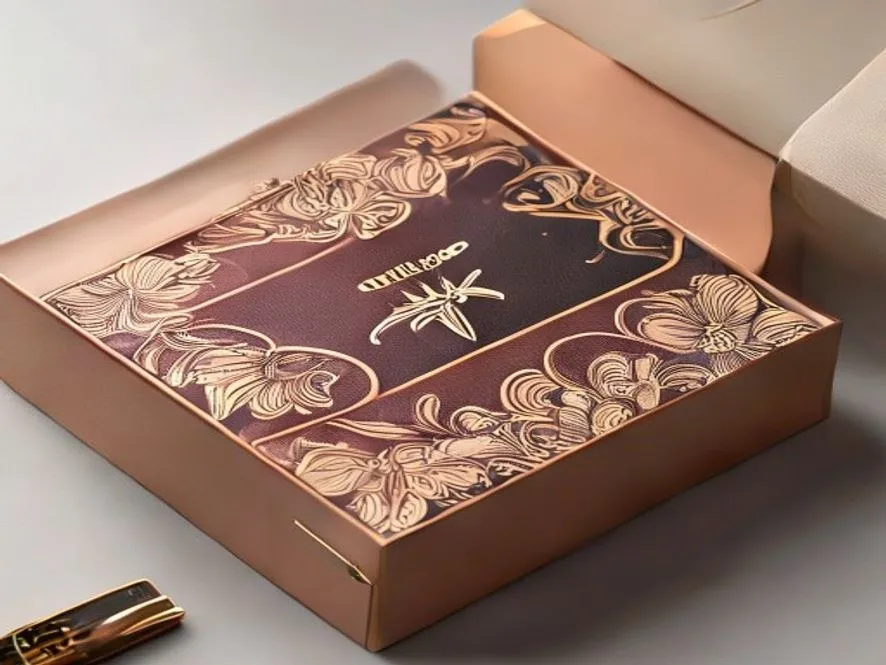
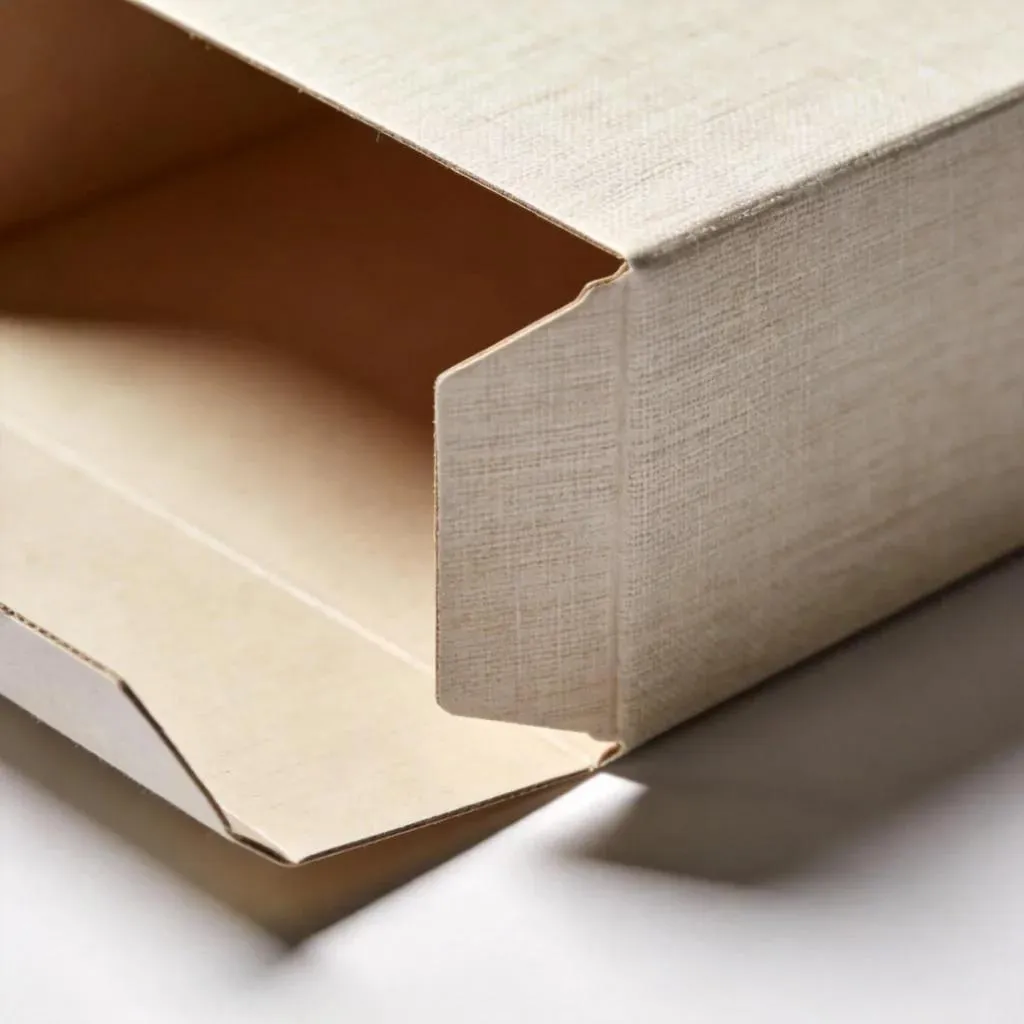
Foil stamping delivers the first glance; the paper and folded edges deliver the feel in hand
V
Structure: Protection That's Also Part of the Unboxing Experience
Structure Is Experience
Half of what makes merchandise feel premium comes from its structure. Whether the box protects an acrylic standee or the cards stay free of bent corners is noticed even before the artwork.
Window BoxLet your merchandise be seen. PET / PVC windows with a cardstock insert keep items visible and dust-free—ideal for badges and charms.
Drawer Box / Magnetic BoxA collector's box has to withstand repeated opening and closing. Magnetic closures outlast double-sided tape and leave no marks or residue.
Molded PulpInserts molded from sugarcane and bamboo pulp replace EVA and flocking—with reliable cushioning and fully recyclable.
Micro-Flute / HoneycombReduces weight while boosting flat crush strength—a more cost-effective choice than simply using thicker board for shipping cartons.
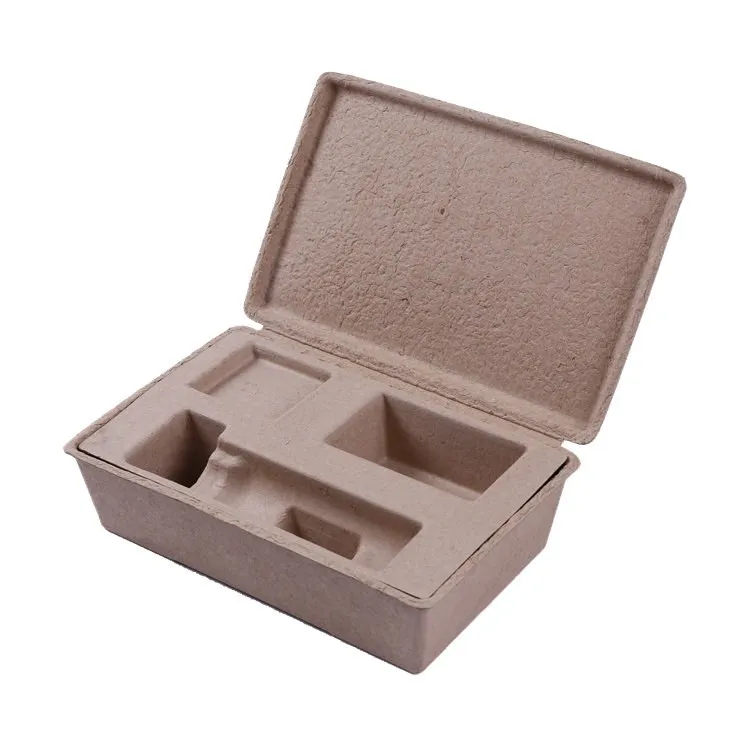
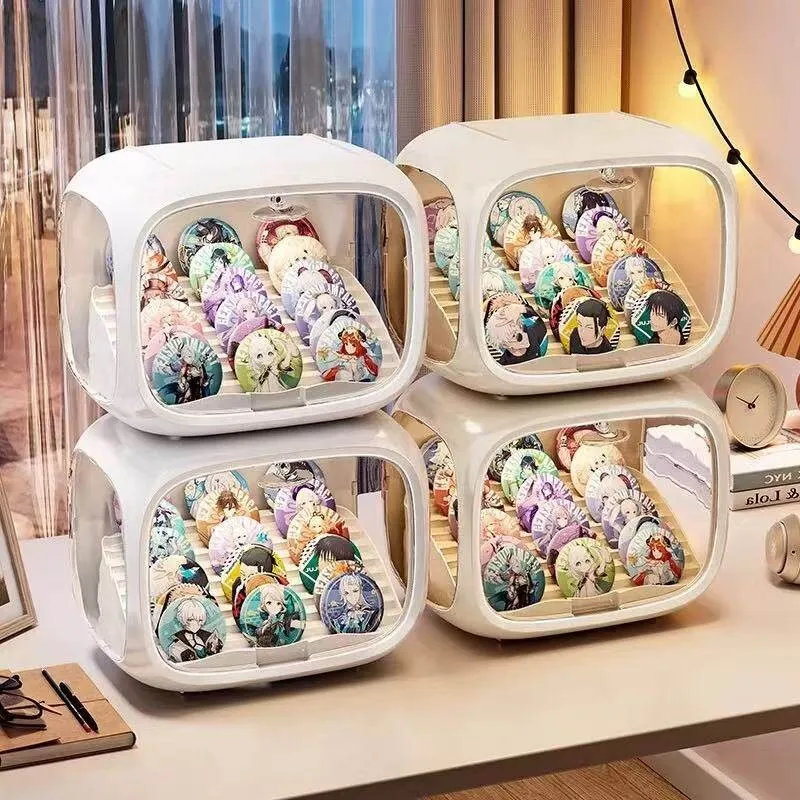
The insert determines whether it holds steady; the storage determines whether they'll want to keep it on display
VI
The Cost Lesson: Where the Money Goes in a Price-Hike Cycle
Spend Where It Shows
30–50
RMB/ton
Single increase in corrugated board
200
RMB/tonne
White card stock price increase, October
0.3–1.2
mm
Typical embossing depth
54×86
mm
Standard photo card size
When costs rise, the usual reaction is to reduce paper weight or switch to thinner stock. With merchandise, though, tread carefully: if the paper lacks stiffness, colored card stock will warp at the edges and boxes will dent at the corners—and the cost of returns and complaints often outweighs whatever you save on paper.
Three steadier approaches:
1. Don't cut paper weight blindly—run a sample first to check stiffness and folded edges;
2. Use finishes as an accent, not all-over—a single foil-stamped detail is far easier to execute reliably than full-coverage foil;
3. Control costs with standard textures plus spot varnish, and put the budget into paper feel and structure.
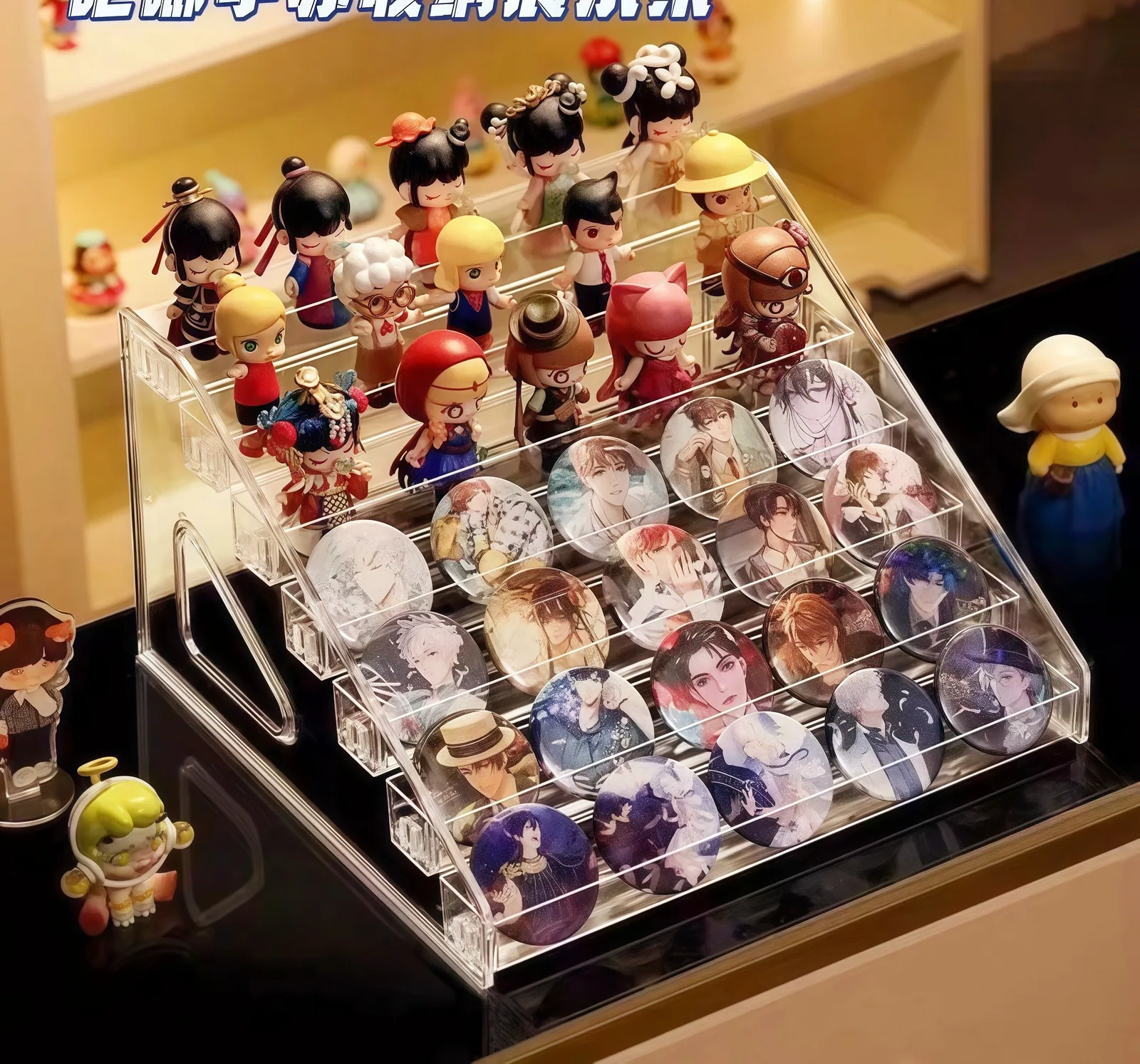
Every shelf on the display stand is a place where “quality” gets seen
07
Worth Watching This Month
What's On This Month
November is packed with anime and ACG events in Shanghai and online. Here are a few dates to note:
11.09–12.08
Bailian ZX Funland, B1 Xinghe Anime event, with gift-with-purchase and stamp-rally check-ins running alongside
10.31–11.18
"The Case Files" × Mogu Jiang Guzi Coffee — second half, BaiLian ZX, East Nanjing Road
11.07–12.06
animate FAIR — Shanghai Flagship Store, Wujiaochang Store, Hangzhou, Beijing, and Guangzhou stores; free random live-print photo with qualifying purchase
11.11 12:00
VINECA × Attack on Titan limited collaboration collection launch


Hanging up your favorite moments — a staple wall in any anime fan's room
From a single sheet of paper to merchandise worth collecting
Hengyi Culture covers paper selection, printing, surface finishing, structural forming, and packaging delivery. In a cycle of fluctuating costs, spend your budget on what you can see and touch.
Hengyi Culture · Integrated Merchandise & Packaging