


 Halloween Limited Edition
With this year's Halloween season now behind us, let's look at a trend in the gift industry worth paying attention to: consumer spending is shifting away from plain party costumes and toward holiday-themed merchandise and limited-edition gifts.
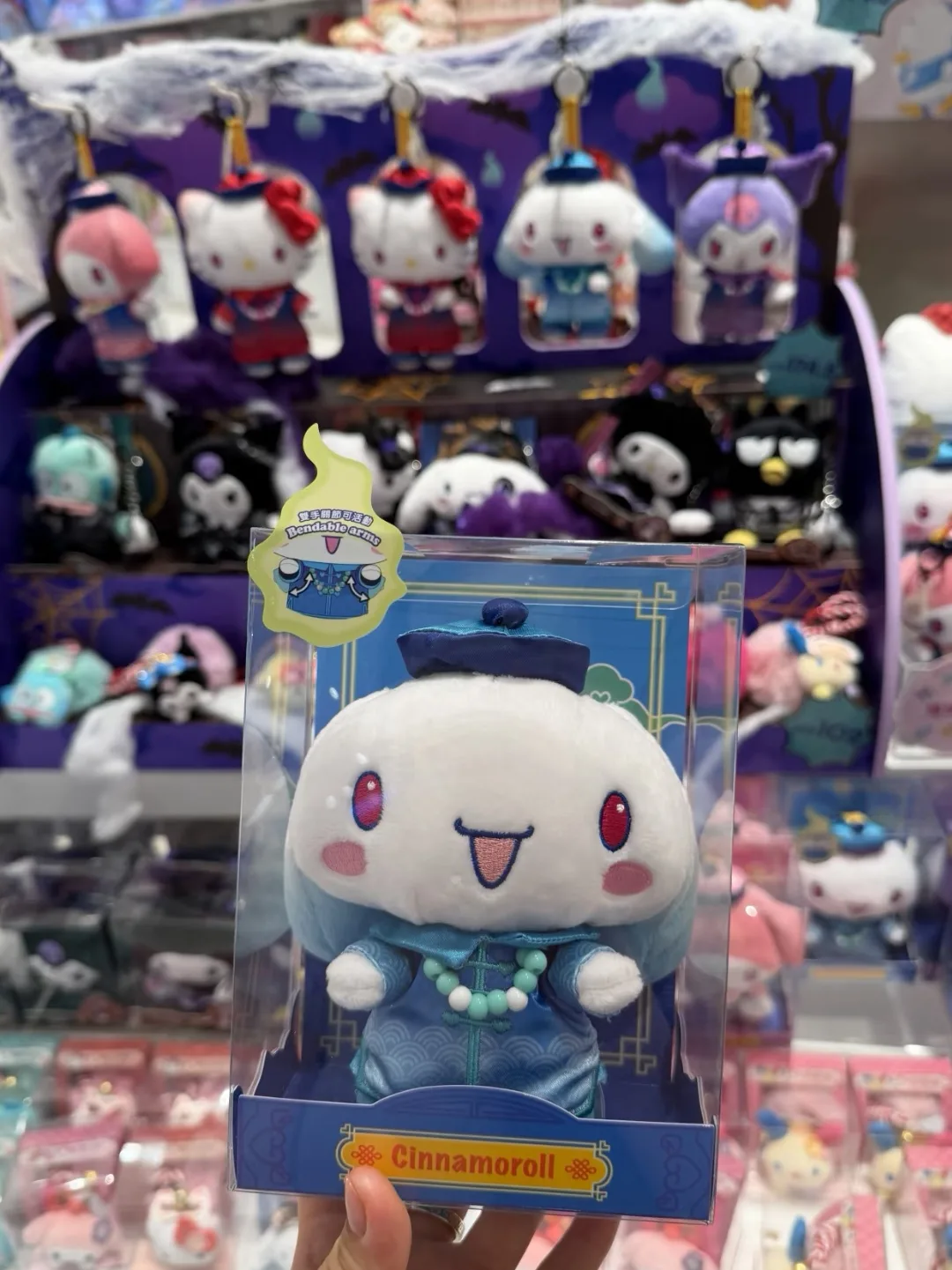
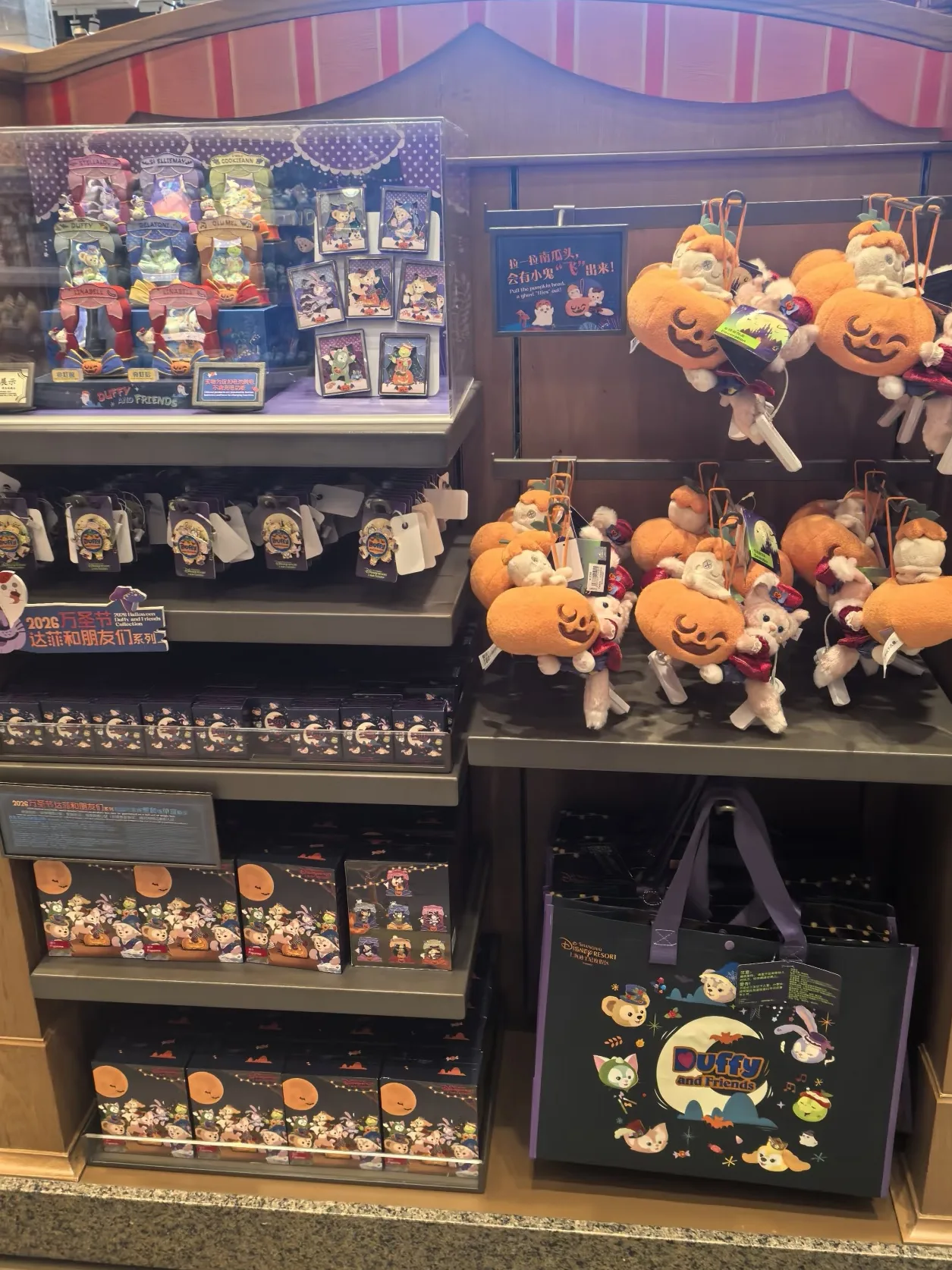
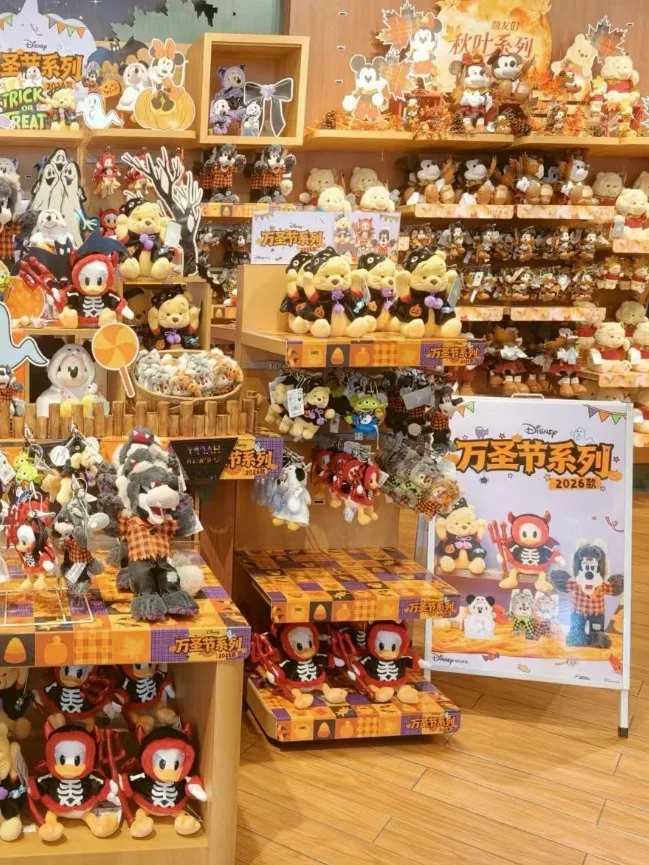
In past years, Halloween mostly brought to mind costumes, jack-o'-lanterns, scene decorations, and candy. This year, though, the shift in the market is unmistakable: orders and inquiries are climbing for IP collaboration merchandise, plush charms, pins and badges, themed blind boxes, scented gift boxes, atmospheric cultural creative goods, and curated gift sets.
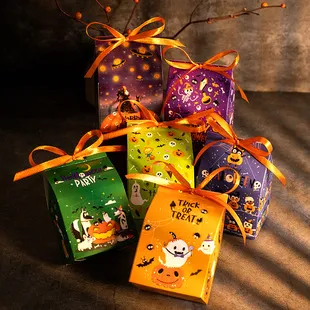
What's interesting is that many of these products aren't new at all. The same figurines, trinkets, and cultural creative goods sit on a shelf and are just ordinary items—but once wrapped in a Halloween narrative—dark-sweet color palettes, ghost-pumpkin-witch motifs, dedicated holiday packaging, limited-edition hang tags—they take on an entirely new identity: a "surprise gift" made for giving.
The core value of a holiday is that it creates, out of thin air, a perfectly good reason to give a gift.
Day to day, many people agonize over whether a small gift out of the blue will feel awkward, and what to give so it doesn't get weird. Halloween, by contrast, comes with a lighthearted, fun, meme-friendly vibe and none of the heavy social obligation of traditional holidays, making it just right for giving to friends, fellow fans, or as employee perks and light client gifts at the office. It doesn't need to be expensive—what matters is that it's fun, has a sense of occasion, and is photogenic.
Social media then amplifies this demand further. Young people receive themed gift boxes, unbox limited-edition blind boxes, show off handsome merchandise pins, and snap atmospheric gift photos, sharing their finds on the platforms of their own accord. This sharing drives social spread, sparks follow-on buying, and in turn pulls up demand for merchandise, forming a positive cycle of "holiday atmosphere → purchase and gifting → sharing photos → driving further demand."
This is why holidays give gifts such a strong boost: the materials and craftsmanship stay the same, but the holiday layers on three tiers of added value. The first is emotional value, carrying a sense of lighthearted fun and occasion. The second is conversational value, riding the Halloween buzz and giving people something to talk about. The third is scarcity value—limited editions and holiday-exclusive packaging that, once missed, mean waiting another year. With all three stacked together, merchandise is no longer just a product but a vehicle for emotion, and its premium potential, customer acceptance, and sell-through speed all rise markedly.
Of course, there are signals behind this trend too: today's consumers, when buying gifts, are less fixated on "practicality" and care more about whether a gift conveys thoughtfulness, looks good, and is worth sharing. Lightweight merchandise like pins, charms, and themed gift boxes hits exactly this need—low barrier to entry, high playability, and a great fit for all kinds of holiday-themed makeovers.
This Halloween surge isn't a short-term bubble of traffic; it's a signal that the sense-of-occasion economy keeps releasing energy. Holiday moments are the amplifier for gifts and merchandise. The same product, depending on whether you tell a holiday story, design themed packaging, and create a sense of exclusivity, will end up with wildly different market feedback.
With Halloween wrapped up, the coming holiday moments are already lining up on the calendar. How to develop themed merchandise and custom gift boxes that fit each holiday's tone and capture these seasonal opportunities is a direction we can keep deepening going forward. May every carefully designed gift, carried by the holiday atmosphere, reach the hands of someone who loves it.
