Language

Language
The headline asks "which IP sold more," but strictly speaking, the list ranks transaction value, not unit sales. Here are the publicly disclosed positions.
The IP sales ranking shows even more movement: Love and Deepspace, Pop Mart, and Honkai: Star Rail entered the top three; Arknights and Ultraman each climbed 9 places; while Disney and Sanrio, still in the top tier last year, fell to 7th and 11th.
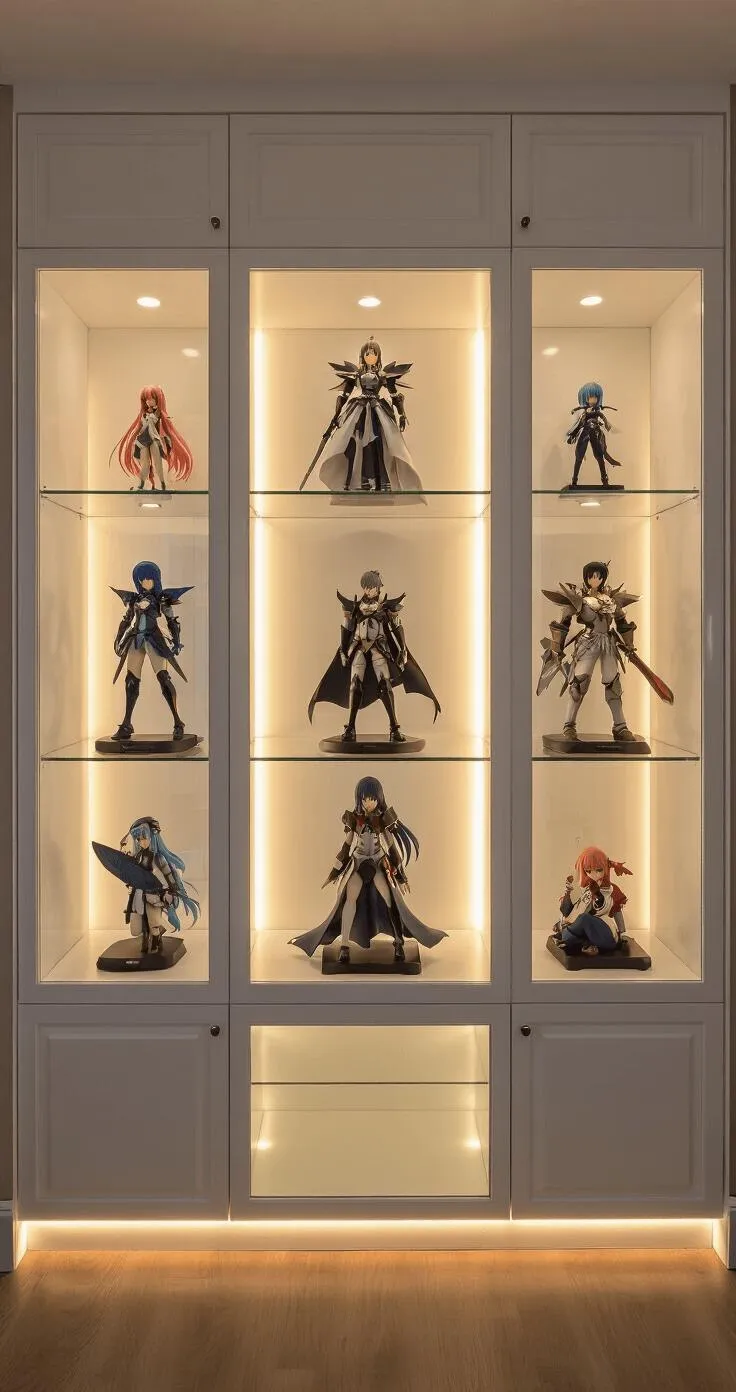
This is no coincidence. Game IPs have three things that traditional character-based IPs rarely combine.
First, every update brings new products.A single version update refreshes characters, skins, and storylines, and merchandise follows the version. Launch frequency is driven by the content cadence, not by a release calendar.
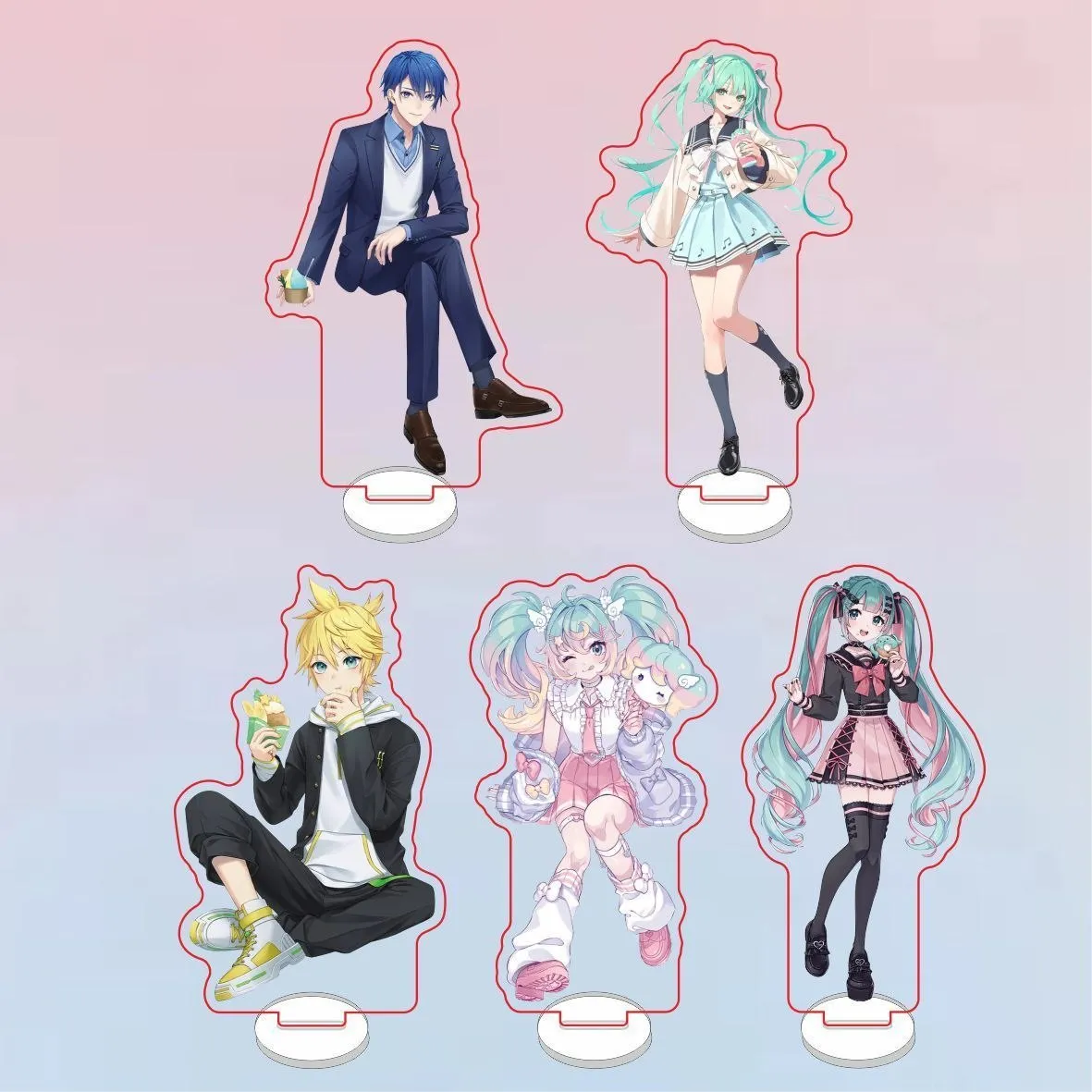
Second, one character can become a whole string of SKUs.The same character can be made into badges, standees, cards, plush, keychains, and figures—each priced separately, and each a reason to buy on its own.
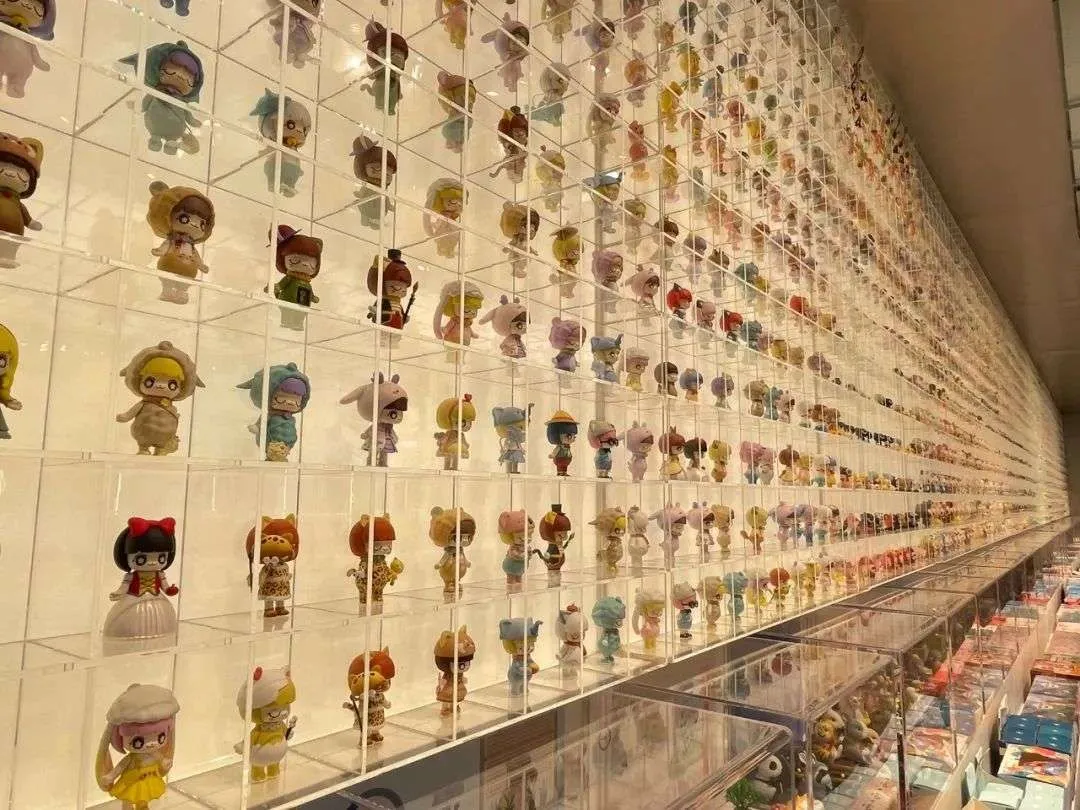
Third, random mechanics drive repeat purchases.Formats like blind boxes and random badges essentially turn “collect them all” into a purchase goal. Average order value per purchase stays low, but repeat purchase frequency climbs.
Together, these three all come down to one thing: the time gamers spend online is itself the density of purchase touchpoints. Someone who opens the game every day is far more likely to see new merchandise than someone who happens across a poster now and then.
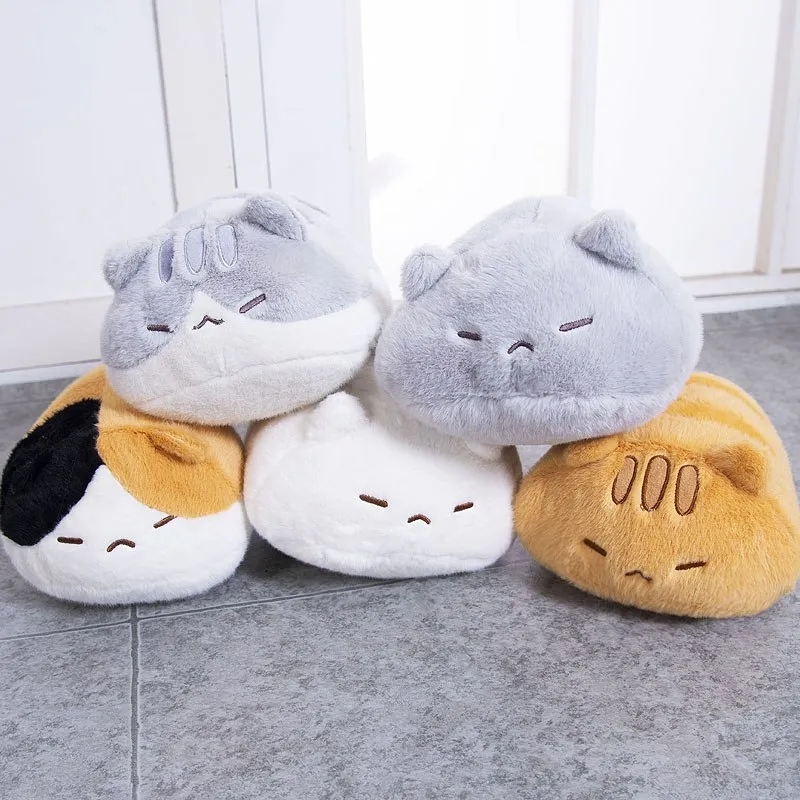
This round's surge in romance-oriented titles is visible in the rankings: newly opened flagship stores reached the top tier within two months, and several otome games appeared in the middle of the list at the same time. The reason is not that “the audience got bigger.”
, but in how people shop.Fans are buying a relationship with the character, not just an image. For the same character, they will happily buy “the one he uses” again and again.
Can badges, card bricks and ita-bags let fans take their characters out into the world. The use case has expanded from “displayed at home” to “carried with you”.
Fans of the same character post photos, swap items and pool orders, so purchases are driven by the community's rhythm rather than by advertising alone.
For merchandise makers, this has a direct implication: wearable merchandise demands higher craftsmanship than display pieces. Something that hangs on a bag every day can't have sharp edges, its coating can't fade, and its weight has to be kept in check.
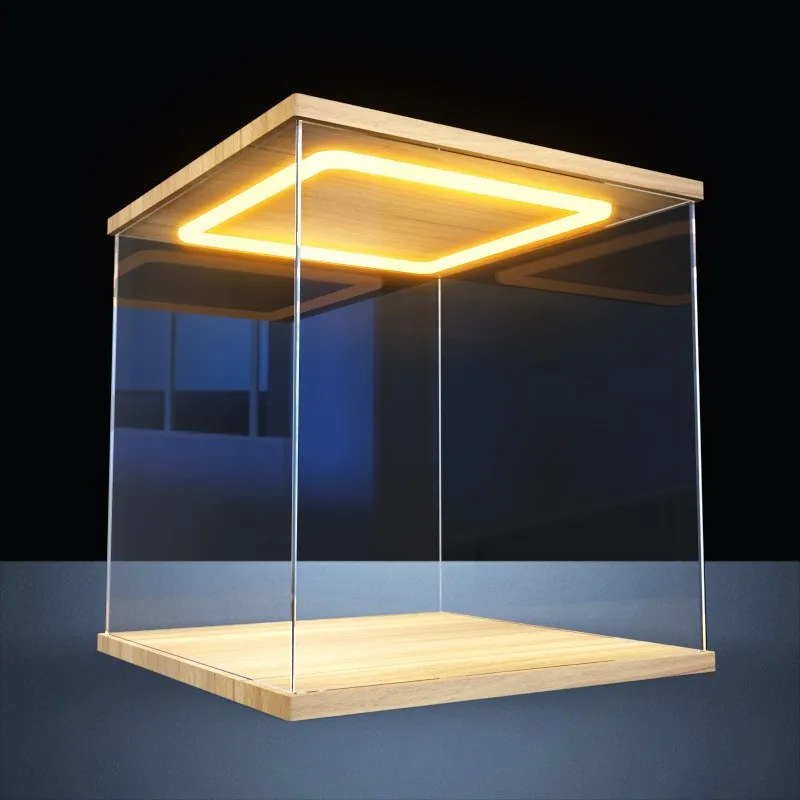
Disney and Sanrio dropping from the top tier to No. 7 and No. 11 doesn't mean demand has disappeared. Three explanations come closer to the truth:
Look at the product lineup, not just the IP.Rankings during major sales are driven largely by “how many new products launched and how much stock was prepared.” Established IPs' product cycles don't necessarily align with major sales cycles.
Content IPs and designer toy IPs run on different cycles.Content IPs depend on new anime seasons, new theatrical releases and new game versions; designer toy IPs depend on new series and collaborations. Their peaks don't fall in the same months.
The ranking measures GMV, not popularity.A highly popular IP may have a low average order value and high unit volume; a high-GMV IP may sell fewer units at a higher price.
So the right way to read a ranking is to first ask “what does this column actually measure,” then ask “why is it here.”
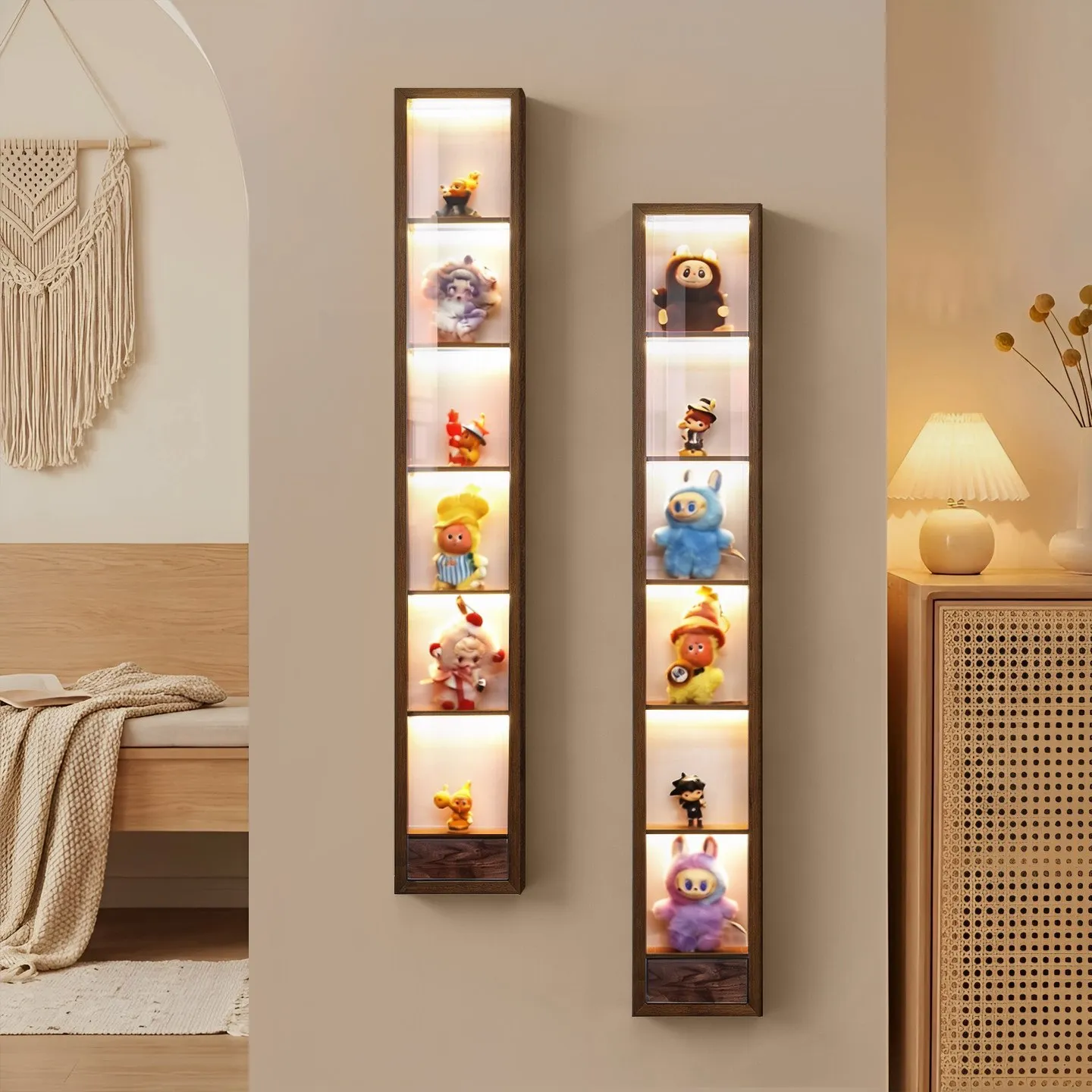
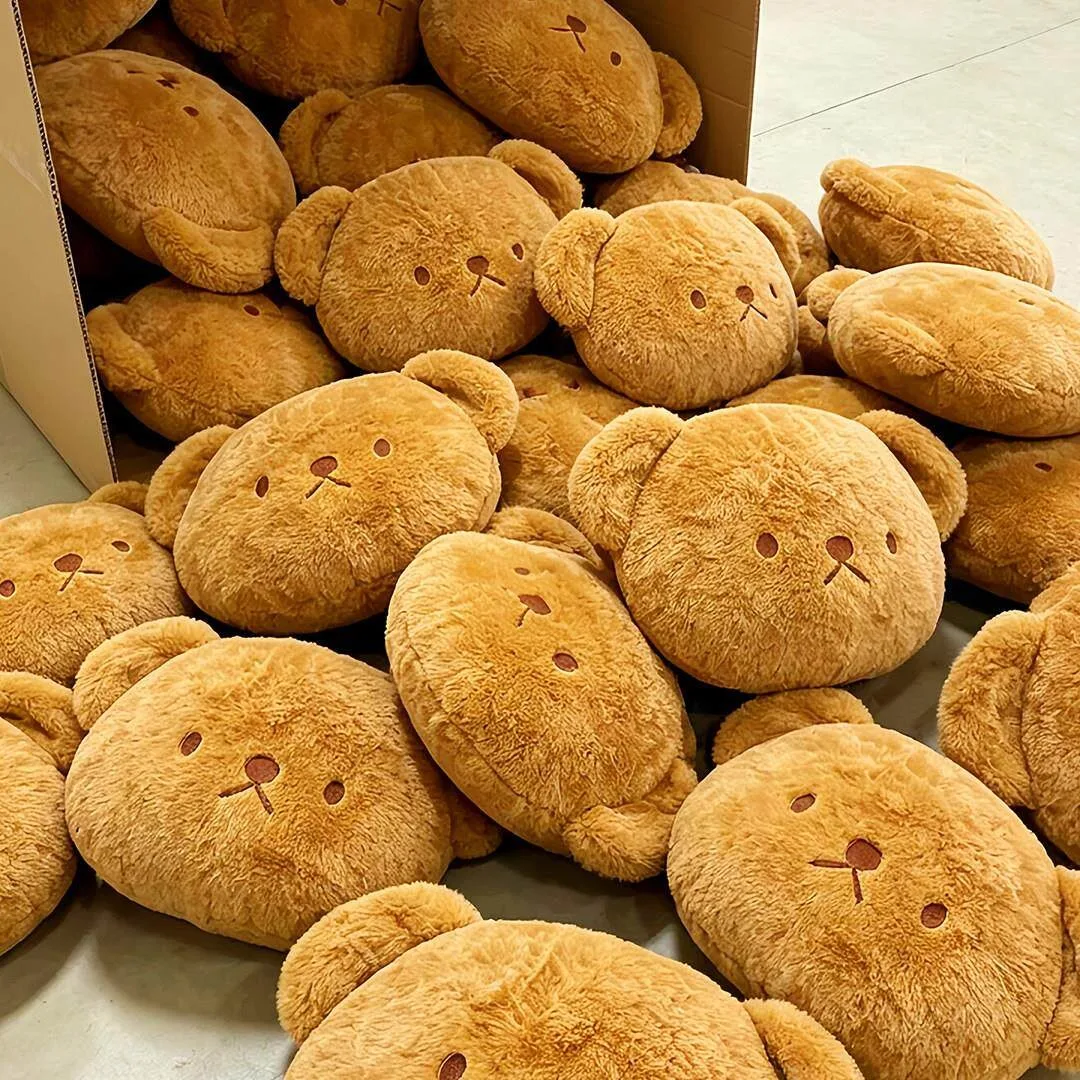
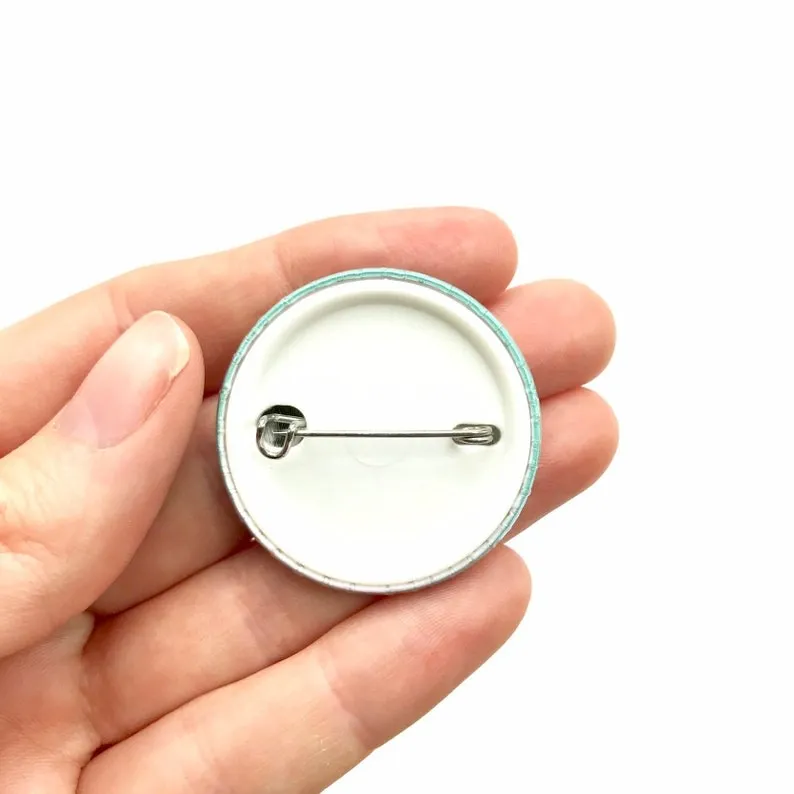
No matter how well merchandise sells, it all comes down to production. Take the common tinplate badge, for example—cost breaks down roughly into four parts: the tin base and cover, printing, lamination, and packaging.
Tin base and cover These determine feel and thickness. Thinner is lighter but bends easily; thicker feels sturdier but weighs more when pinned to a bag.
Printing The entire depth of the design rests on this layer. Light backgrounds tend to show halftone dots; dark backgrounds tend to show scratches.
Lamination This determines wear resistance and gloss. Gloss film makes colors pop; matte film is easier on the eyes—both are vulnerable to edge and corner knocks.
Packaging Individual film plus a paper card backing—sounds minor, but this is where transit damage rates are mainly kept low or driven high.
The cost logic for acrylic standees works differently: thickness and cutting are the two main threads. 3mm feels crisp but edges show noticeable light transmission; 5mm has more physical presence and places greater demands on polishing.