

Language

Language
What has really changed in this business in 2026?
This article breaks down the overall trajectory of the 2026 cultural creative merchandise market, seven key trend lines, structural risks, and our outlook for brands, designers, supply chains, and licensors. A useful reference for anyone working in IP partnerships, gift development, or marketing planning.
Many people instinctively feel that designer toys and gachapon-style goods have "gone cold," but a closer look at the data reveals otherwise: what's actually shrinking is speculative sentiment and copycat stores — overall demand is still expanding.
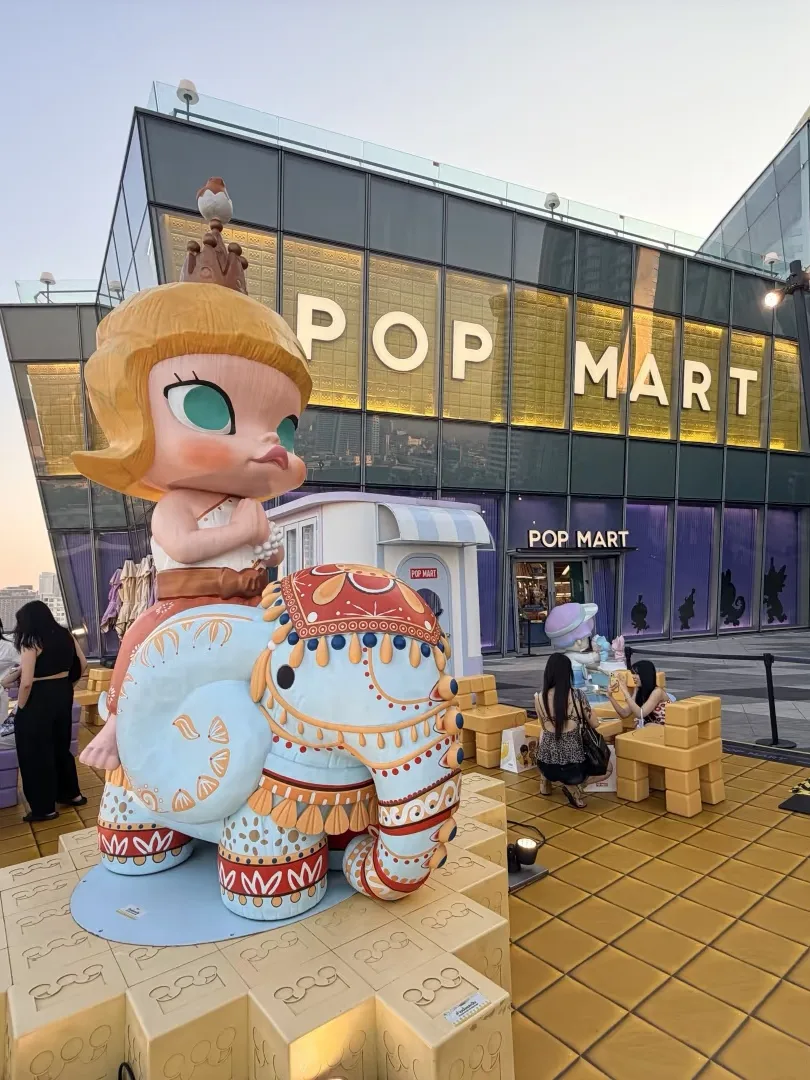
A single pop-up for a leading IP can generate RMB 4–10 million in sales; on-site queues combined with social media amplification create a closed-loop marketing effect.
BW, WF, cultural industry expos, and new cultural creative markets; new product launches, fan networking, and city cultural promotion.
💡 Channel Insights:
Complete industrial clusters in the Pearl River Delta and Zhejiang; mold modifications and samples completed within 3–7 days of a product going viral; difficult for Southeast Asia to replicate in the short term. Overseas orders are shifting from bulk wholesale to cross-border small sellers and influencer rush orders.
🚢 Going Global: The Second Half — It's Not About Quick Wins, It's About Staying Power
The first half was a race to stock shelves; the second half is about the cross-cultural vitality of IP. Localization ≠ picking a store location — it requires local teams, community engagement, emotional resonance, and long-term patience.
Secure Rights First, License Later Becomes the Industry Baseline📝 Key reminders for cultural heritage IP licensing:
1. Homogenization and Copycat Products
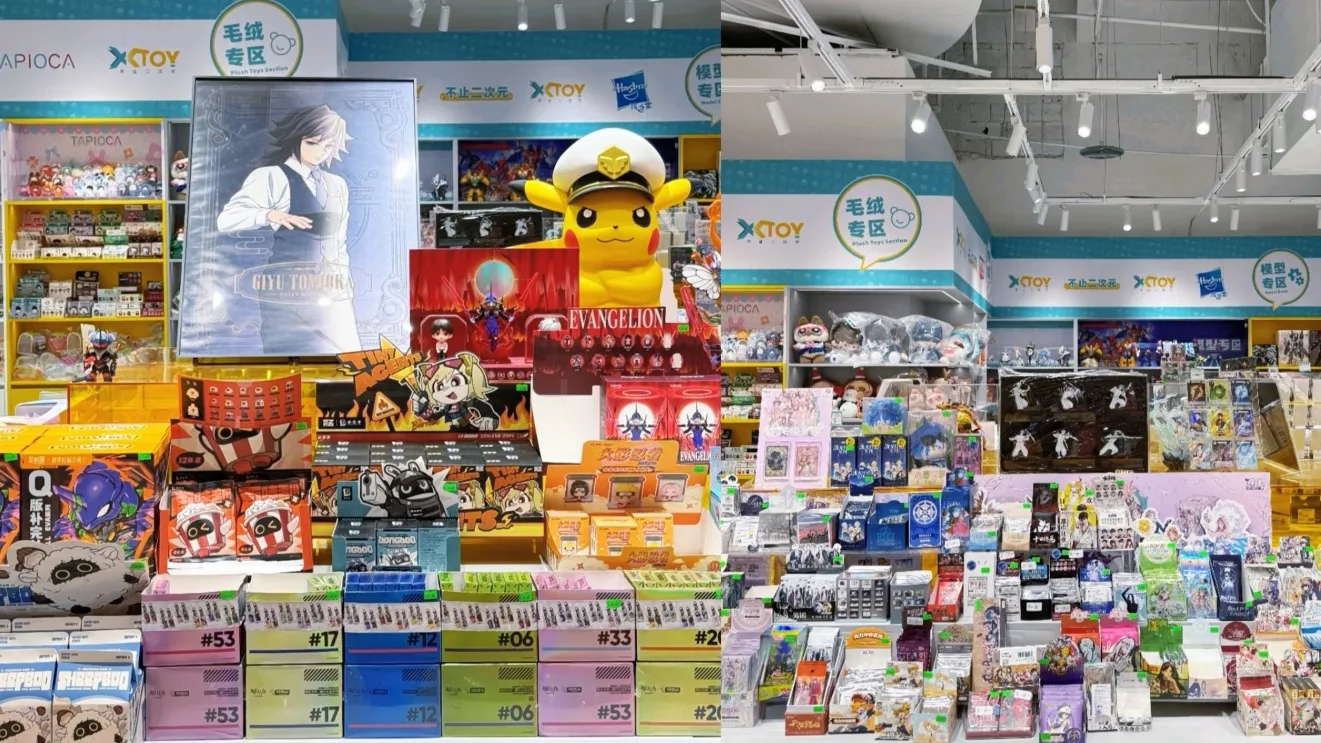
Hot IP is in limited supply, and products look nearly identical; stores cluster in the same locations, while forced product bundles and mall revenue-sharing continue to squeeze margins.
2. Over-Reliance on Hit Products and the Pressure of Transitioning Between IP
A single hit product has a limited lifecycle; companies need an IP portfolio to sustain a pipeline of hits and maintain long-term growth.
3. Loss of Control Over Inventory and Pricing
Blind overstocking and unrestrained reprints and restocks devalue sought-after collectibles; collapsing resale prices then undermine the official IP's reputation.
4. Copyright Compliance and Legal Risk
Altering designs for production and using unauthorized assets cross a legal line; they also fuel a vicious cycle in which the industry copies more than it creates.
The cultural creative merchandise industry is moving beyond its 1.0 era of viral hits + shallow collaborations + scarcity-driven speculation and entering a more mature 2.0 phase: cultural value at the core, original design as the soul, supply chain efficiency as the foundation, and long-term companionship as the goal.
Niche passions eventually grow into big business. What endures through cycles is never a passing trend, but a strong IP that is repeatedly used, talked about, and kept close over time.
© In-Depth Industry Insights | Worth Saving and Sharing
The emotional economy stood at roughly RMB 2.3 trillion in 2024 and is projected to reach RMB 2.72 trillion by 2026; nearly 90% of young people have paid for emotional value.
In short: merchandise doesn't sell features — it sells an emotional vehicle that can be collected, displayed, exchanged, and kept as company. The market is growing, but the profit logic has shifted: from betting on hit products and hyping scarcity to sustained IP incubation, ecosystem operations, and supply chain efficiency.
📌 Key takeaways for industry professionals:
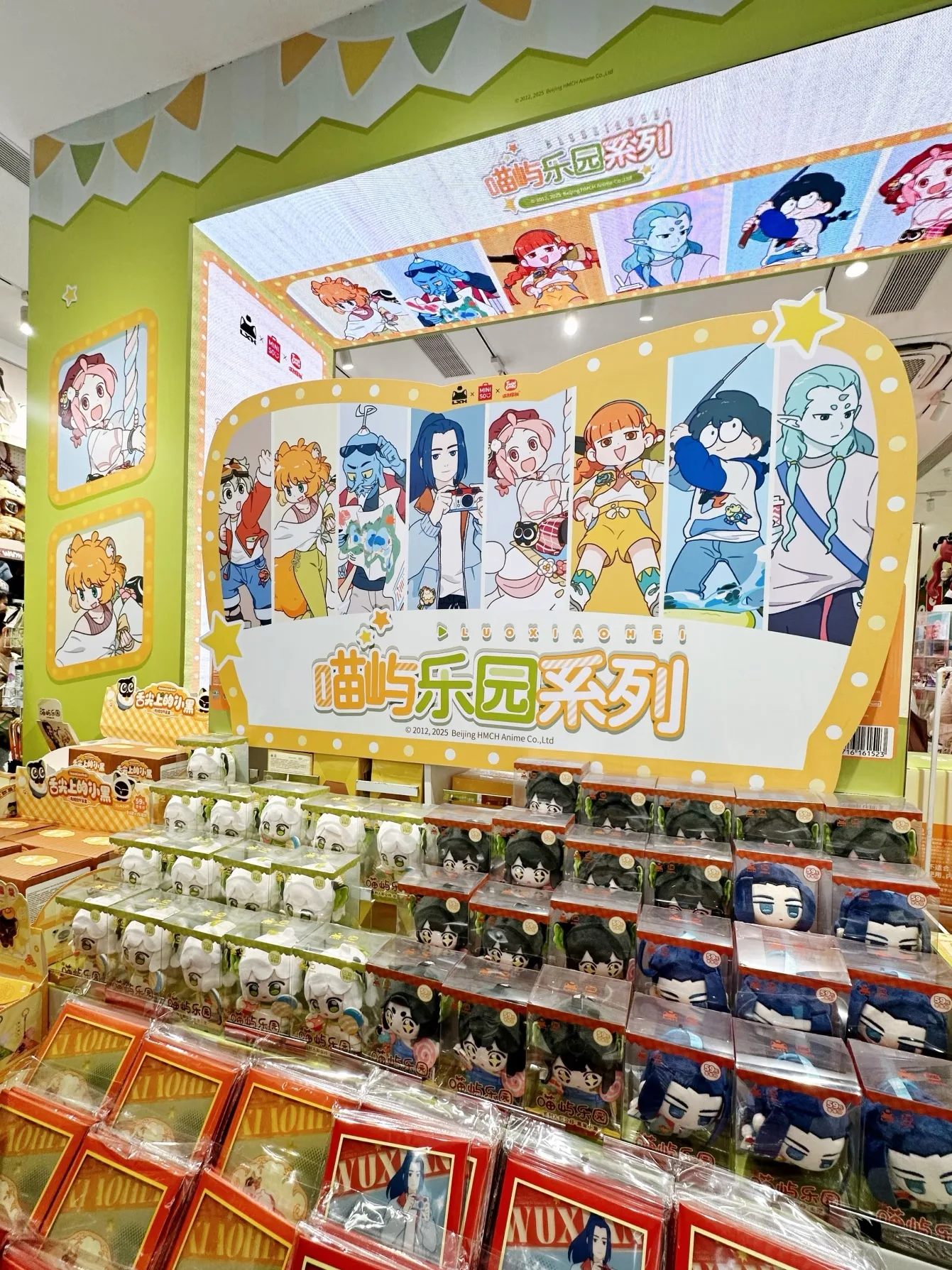
⚠️ Risk alert: Consumers are turning away from shallow licensing and white-label collaborations — cultural depth is now the real competitive edge.
Industry Insight:A single SKU offers limited resilience against risk. Going forward, we will build a multi-tier pricing matrix: traffic-driving products for volume, character products to establish brand identity, collectibles to raise average order value, and everyday products to drive repeat purchases.
⚠️A sobering reality check: AI and AR are nice-to-haves, not a lifeline. Without a compelling IP story and a quality feel in the product, they're just gimmicks. Small and mid-sized brands should focus on perfecting form and craftsmanship first, then layer in technology.
Demand hasn't disappeared—it's concentrating in three high-density scenarios:
Shanghai Bailian ZX Fun Zone, Beijing Wangfujing Joy City, Wuhan X118, and others; all saw both foot traffic and sales rise after renovation.
