

Language

Language
The same theme opens in four locations: Hong Kong on 11.27, Taipei on 12.18, and Shenzhen on 12.24. Shanghai uses timed-entry reservations—you can't just walk in.
Fall-themed outfits plus limited merchandise—a rare full-month run this season, best saved for a weekend.
A two-day window—one of the few chances in November to do a concentrated expo run, and easy to pair with a pop-up.
Latte art plus merchandise—the beauty of an in-store event is that there's no reservation scramble; just drop in.
Kuji-style products run on a different rhythm from pop-ups: they go on sale and the draws open immediately, with no restocking once sold out — a “same-day decision” format.
In-store releases usually split bonuses into two tiers: “check-in” and “spend-threshold gifts” — the first requires showing up, the second requires hitting a spend target.
IP licenses are signed separately by country and region. Different agents, different schedules, different venues — and customs clearance and on-shelf timing are each handled independently. As a result, the same themed campaign can see “Japan first, mainland waits,” “Shanghai opens first, Shenzhen a month later,” or “Hong Kong and Taiwan on a separate timetable.”
This isn't slow execution — it's how the licensing structure works. What it means for fans: when you see news of an overseas collaboration, first check whether a mainland licensee has made an announcement. If there's no announcement, treat it as “not yet confirmed” and don't plan your trip in advance.
This time around, reservations are showing up far more often. They don't solve “too many people”—they solve peak congestion: spreading the day's foot traffic across time slots so that checkout, photos, and gift pickup don't all collide at once.
For fans, reservations bring three changes: your schedule has to be locked in ahead of time; arriving late may mean you can't get in; and gifts are distributed by session, so the late slot may not have any left. So when you see “reservation required,” check the release time first, then whether you can actually make it.
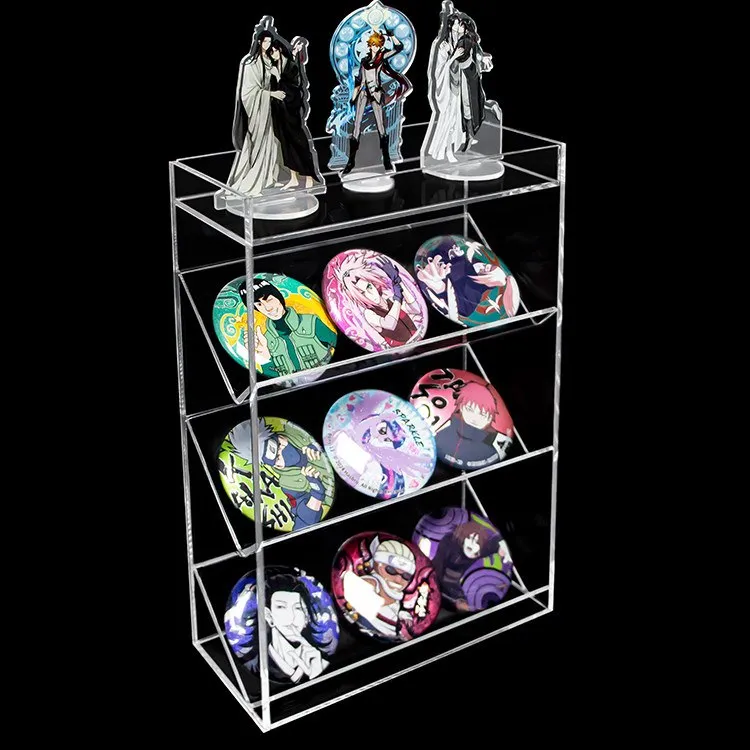
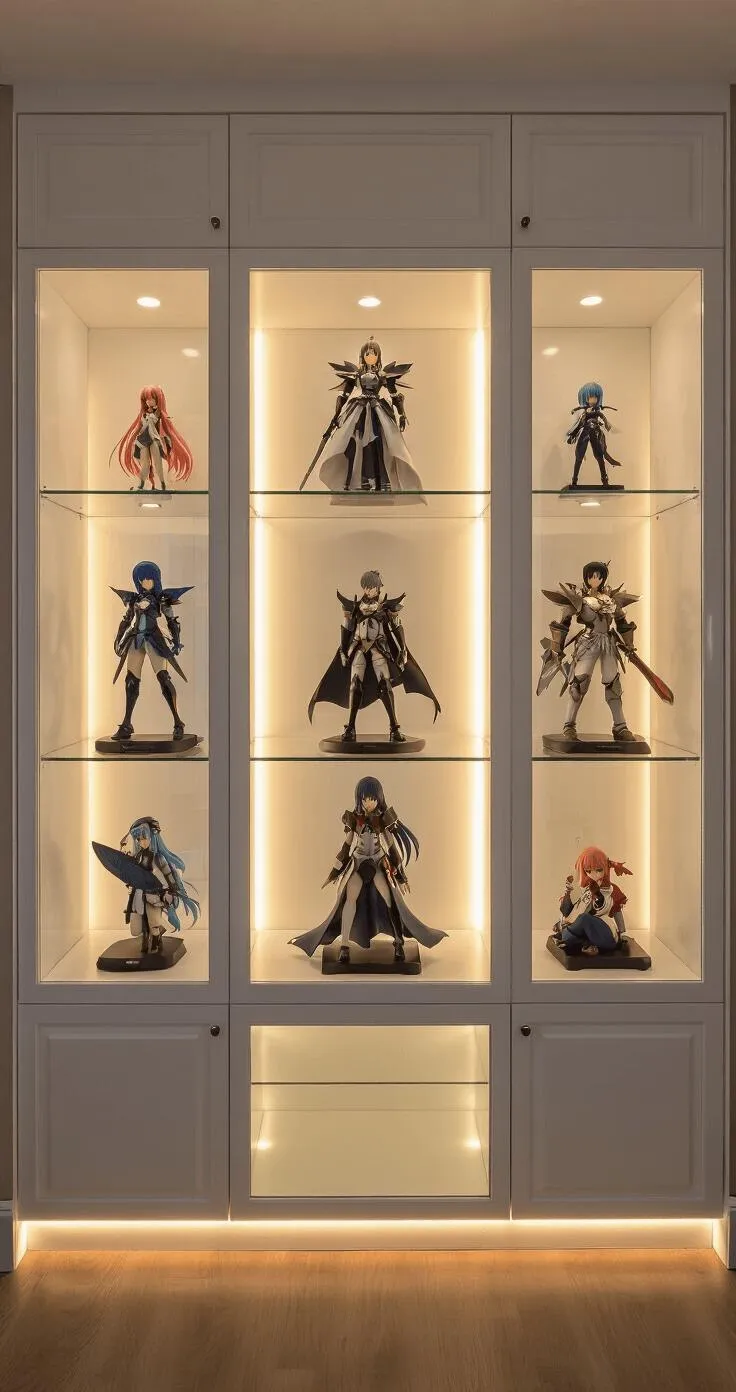
The same artwork on different materials can mean a big gap in both price and lifespan. To judge whether a piece of merchandise is worth it, start with what it's made of and how the edges are finished.
Tin base + printing + lamination + wrapped edge. 58mm and 75mm are the common sizes; if the artwork sits too close to the edge, a ring gets cropped off during wrapping.
Cutting + UV printing + protective film, commonly 3–5mm thick. The clear edge is its face—scratches are basically there to stay.
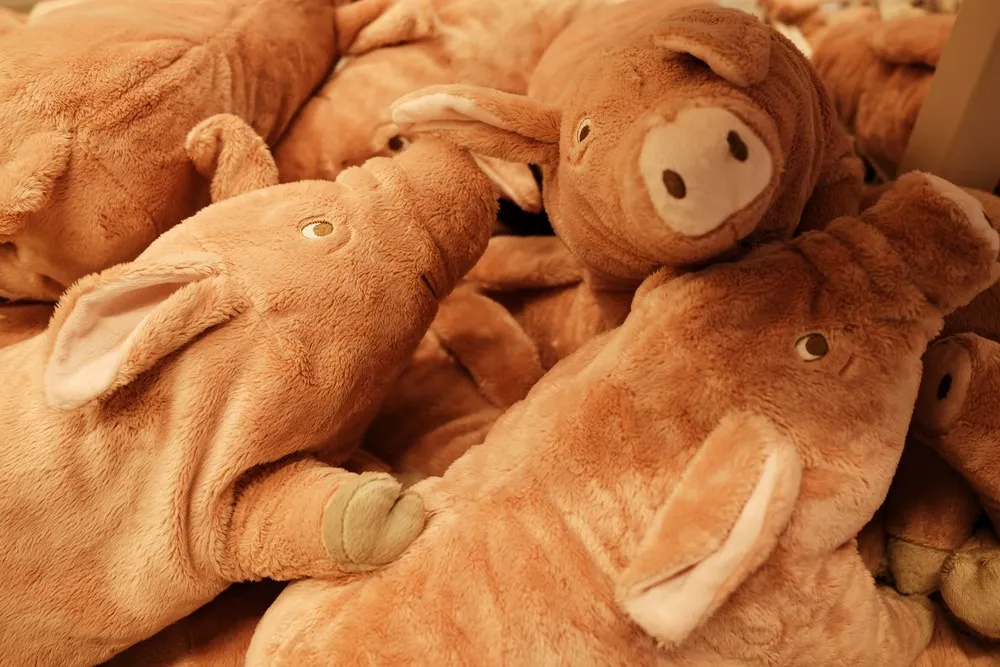
Weight and rebound determine the feel. Too little stuffing and it sags; too much and it's stiff. The angle of the ears and limbs shapes whether it “looks right.”


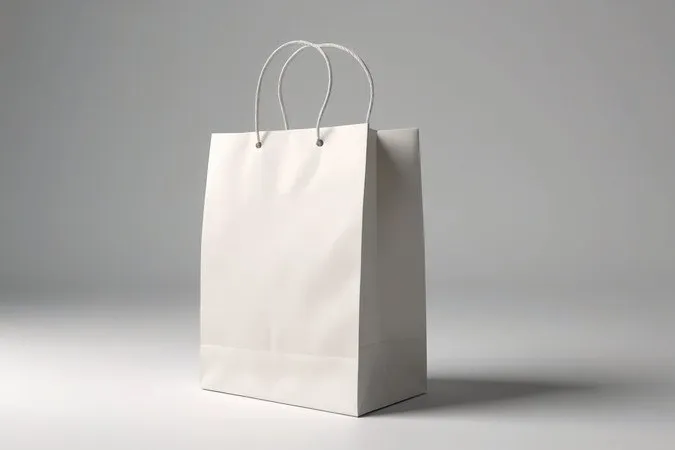
Half the feel of merchandise comes from the product itself, and the other half from the packaging it arrives in. A paper bag goes through five stages, and if any one of them is rushed, the bag will feel “light” in your hands.
Gift boxes add two more stages: wrapping and inserts. Inserts aren't just filler—they shape the impression at the moment of unboxing. The difference lies in whether the contents are “lying flat” or “held in place” when the box is opened.
Dates may change—check the organizer's announcement before you head out.
